Can Dogs Eat Marshmallows? The Truth Every Dog Owner Should Know

If you’ve ever sat around a campfire roasting marshmallows while your dog stared at you with those impossible-to-ignore puppy eyes, you’re not alone. Most dog owners eventually wonder: Can dogs eat marshmallows? The short answer is yes, technically, some marshmallows are not immediately toxic, but that does not mean they are safe or healthy for dogs. In fact, certain marshmallows can be extremely dangerous, depending on their ingredients.
Veterinary experts and pet health organizations consistently warn against feeding marshmallows to dogs because of their high sugar content and the risk of toxic sweeteners like xylitol. According to veterinary guidance from sources like PetMD and the FDA, sugar-free marshmallows can be life-threatening for dogs due to the rapid effects of artificial sweeteners on blood sugar levels.
Before you toss your furry friend a fluffy white treat, it’s important to understand what marshmallows actually contain, why dogs react differently than humans, and what to do if your pet accidentally eats one. This guide breaks down everything in plain English so you can protect your dog while still spoiling them safely.
What Are Marshmallows Made Of?
At first glance, marshmallows seem harmless. They’re soft, airy, and almost melt in your mouth like sugary clouds. Most traditional marshmallows are made from simple ingredients such as sugar, corn syrup, gelatin, vanilla flavoring, and starch coatings. None of these ingredients is technically poisonous in tiny amounts, which is why many dog owners assume marshmallows are safe. The problem begins when you look deeper into how these ingredients affect a dog’s body over time.
Dogs are not designed to process sugar-heavy foods the same way humans do. A dog’s digestive system is more sensitive, and foods with excessive sugar can quickly create problems ranging from stomach discomfort to obesity and diabetes. According to veterinary sources, marshmallows provide virtually no nutritional value for dogs. They are essentially empty calories wrapped in a fluffy texture.
Think of marshmallows like junk mail for your dog’s digestive system. They arrive looking harmless, but they clutter everything up and offer nothing useful. While one plain marshmallow may not trigger an emergency, regularly feeding sugary treats can slowly damage your dog’s long-term health. It’s similar to how humans feel sluggish after eating too much candy, except dogs cannot tell us when their bodies are struggling.
The biggest danger, however, is not the sugar itself. It’s the hidden ingredients many marshmallow brands now include. Sugar-free versions often contain artificial sweeteners that are extremely toxic to dogs. That’s where things shift from “not healthy” to “potentially deadly.”
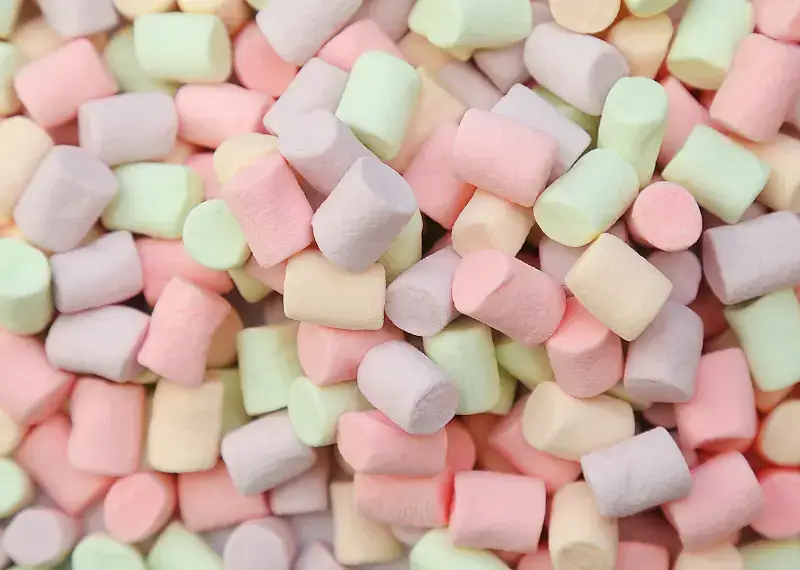
Are Marshmallows Safe for Dogs?
The honest answer is complicated. Plain marshmallows, free of toxic sweeteners, are unlikely to kill a healthy dog if eaten in small amounts. But “unlikely to kill” is very different from “safe.” Veterinarians generally recommend avoiding marshmallows entirely because the risks outweigh the benefits. Your dog gets no real nutrition from them, and even a small ingredient mistake could lead to a medical emergency.
Plain marshmallows contain a high amount of sugar. Some varieties pack several grams of sugar into a single serving. For humans, that’s already excessive. For dogs, especially smaller breeds, it can quickly overwhelm their digestive systems. Dogs that consume too much sugar may experience vomiting, diarrhea, bloating, or abdominal pain within hours.
The situation becomes more serious for overweight dogs or pets with diabetes. Feeding sugary snacks repeatedly can contribute to insulin resistance and obesity. Imagine giving a toddler candy every day for years. Eventually, the body starts paying the price. Dogs are no different. Their organs, including the pancreas, and their metabolism become stressed by constant sugar intake.
Sugar-free marshmallows are an even bigger issue. Many contain xylitol, a sweetener that is harmless to humans but highly toxic to dogs. According to the FDA, xylitol can trigger a dangerous insulin release in dogs within 10 to 60 minutes after ingestion. That rapid insulin spike causes blood sugar to crash suddenly, leading to weakness, seizures, liver failure, and sometimes death.
Here’s a simple comparison table showing the difference:
| Plain Marshmallow | Not recommended | High sugar, choking risk |
| Chocolate Marshmallow | Dangerous | Chocolate toxicity |
| Sugar-Free Marshmallow | Extremely dangerous | Xylitol poisoning |
| Mini Marshmallow | Slightly less risky | Sugar overload still possible |
The safest choice is always to avoid marshmallows completely and choose healthier treats instead.
Why Sugar-Free Marshmallows Are Dangerous
If there’s one section every dog owner should remember, it’s this one. Sugar-free marshmallows can become life-threatening for dogs within minutes. The reason is a sweetener called xylitol. It’s commonly used in sugar-free candies, gums, baked goods, and certain marshmallow brands because it tastes sweet without adding traditional sugar calories.
Humans process xylitol normally, but dogs react very differently. Their bodies mistake xylitol for real sugar and release massive amounts of insulin. That sudden insulin flood rapidly drops blood sugar levels, causing hypoglycemia. The FDA warns that symptoms can begin in less than an hour and may include vomiting, weakness, staggering, tremors, seizures, and collapse.
It’s almost like your dog’s body slams the emergency brakes without warning. Blood sugar levels plunge so quickly that organs begin struggling to function properly. In severe cases, liver damage follows. Some dogs require hospitalization for monitoring because symptoms can continue developing for up to 24 hours after ingestion.
Veterinary experts strongly advise checking ingredient labels before giving dogs any human snacks. Products labeled “sugar-free,” “low sugar,” or “diet” should immediately raise red flags. Even tiny amounts of xylitol can be dangerous depending on the dog’s size and overall health.
Symptoms of Xylitol Poisoning in Dogs
Watch carefully for these warning signs:
- Vomiting
- Weakness
- Loss of coordination
- Tremors
- Seizures
- Extreme lethargy
- Collapse
If your dog shows any of these symptoms after eating marshmallows or sugar-free foods, contact a veterinarian immediately. Time matters. Fast treatment dramatically improves survival chances.
Health Risks of Feeding Marshmallows to Dogs
Marshmallows may look soft and harmless, but repeated consumption can pose a long list of health risks. One of the biggest concerns is obesity. Dogs gain weight quickly from sugary foods because marshmallows are packed with calories and provide almost no nutritional value. Overweight dogs are more likely to develop joint problems, heart disease, breathing issues, and reduced mobility as they age.
Diabetes is another growing concern. Veterinary experts note that frequent sugary treats can contribute to insulin resistance in dogs over time. Once diabetes develops, managing it becomes a lifelong commitment involving special diets, monitoring, and medication. Feeding marshmallows regularly may seem harmless now, but it can slowly create serious complications later.
Digestive problems are also common. Many dogs experience diarrhea, vomiting, bloating, or stomach discomfort after eating marshmallows because their digestive systems are not built for processed sugar and syrup-heavy foods. Some dogs are more sensitive than others, especially puppies and smaller breeds.
Then there’s the choking hazard. Marshmallows are sticky and expandable, making them surprisingly risky for dogs that gulp food without chewing properly. A large marshmallow can become lodged in the throat, particularly for smaller dogs. It’s like swallowing a slippery, difficult-to-manage sponge.
The danger increases further when marshmallows contain added ingredients like chocolate, caramel, nuts, or artificial flavorings. Chocolate itself is toxic to dogs, creating another layer of risk. That’s why veterinarians generally agree that marshmallows simply are not worth the gamble.
What Happens If a Dog Eats Marshmallows?
If your dog sneaks one plain marshmallow from the kitchen counter, there’s usually no reason to panic immediately. Most healthy dogs will likely experience little more than mild digestive upset if the marshmallow does not contain toxic ingredients. Some may show no symptoms at all. Still, monitoring your dog closely is important because reactions can vary based on size, age, and underlying health conditions.
A larger quantity creates bigger concerns. Eating multiple marshmallows can overwhelm the digestive system and trigger vomiting, diarrhea, bloating, or pancreatitis. Pancreatitis is a painful inflammation of the pancreas, often linked to fatty or sugary foods. Dogs suffering from pancreatitis may become lethargic, refuse food, and show abdominal pain.
The real emergency happens when sugar-free marshmallows are involved. In that case, immediate veterinary care is necessary because xylitol poisoning can escalate rapidly. According to pet health experts, waiting too long can drastically reduce the chances of recovery.
Online pet communities often share stories of dogs eating marshmallows without serious consequences, but these stories should never replace veterinary advice. Reddit discussions frequently mention dogs surviving after eating regular marshmallows, while users repeatedly warn about the dangers of xylitol-containing products.
If your dog eats marshmallows, follow these steps:
- Check the ingredient list immediately.
- Look specifically for xylitol or birch sugar.
- Estimate how many marshmallows were eaten.
- Monitor for symptoms like vomiting or weakness.
- Contact your veterinarian if anything seems unusual.
Acting quickly is always better than hoping symptoms disappear on their own.
Are Mini Marshmallows Better for Dogs?
Many dog owners assume mini marshmallows are safer simply because they are smaller. Technically, a tiny marshmallow reduces the risk of choking slightly compared to a jumbo-sized one, but the nutritional problems remain the same. Sugar is still sugar, regardless of size.
Mini marshmallows are often used as training rewards because they are soft and easy to break apart. Some veterinarians may occasionally recommend tiny marshmallows for hiding medication, especially if they do not contain harmful sweeteners. Still, this should remain a rare exception rather than a daily habit.
The danger with mini marshmallows is psychological. Because they look tiny, owners often underestimate how quickly the sugar adds up. Feeding five or six mini marshmallows may seem harmless, but together they equal the sugar load of several full-sized treats. It’s like eating “just a few” potato chips and suddenly realizing half the bag disappeared.
Dogs thrive on balanced nutrition, not sugary snacks. Training treats specifically designed for dogs are safer and often contain beneficial ingredients such as protein, vitamins, and joint-support nutrients. Mini marshmallows may feel convenient, but healthier alternatives exist that accomplish the same purpose without risking digestive or metabolic issues.
Can Puppies Eat Marshmallows?
Puppies should never eat marshmallows intentionally. Their developing digestive systems are even more sensitive than adult dogs’, making sugary foods harder to process. Puppies also have smaller bodies, meaning even small amounts of harmful ingredients can affect them more dramatically.
Young dogs are naturally curious and tend to swallow food quickly without chewing properly. This increases the choking risk significantly. A sticky marshmallow can become lodged in the throat or digestive tract more easily in puppies than in larger adult dogs.
Sugar exposure during puppyhood can also encourage unhealthy eating habits later in life. Dogs develop taste preferences similarly to humans. Frequent treats of sugary human foods may make puppies less interested in balanced dog food, leading to long-term dietary problems.
If a puppy accidentally eats a plain marshmallow, monitor them closely for digestive upset. If the marshmallow was sugar-free or contained chocolate, contact a veterinarian immediately. Puppies have far less tolerance for toxic substances and can deteriorate rapidly without treatment.
Safer Alternatives to Marshmallows for Dogs
The good news is your dog does not need marshmallows to feel spoiled or loved. Plenty of healthier options offer sweetness, flavor, and enjoyment without the risks of processed sugar.
Veterinary experts frequently recommend fruits like blueberries, bananas, strawberries, watermelon, and apples as safer alternatives. These foods contain natural nutrients and fiber while satisfying your dog’s desire for something tasty.
Here are some healthier choices:
| Blueberries | Rich in antioxidants |
| Carrots | Good for teeth and low in calories |
| Apples | Contains fiber and vitamins |
| Bananas | Potassium and natural sweetness |
| Pumpkin | Supports digestion |
Dog-specific treats are another excellent option because they are formulated with canine nutrition in mind. Some companies even make dog-friendly “s’mores” style snacks designed to mimic marshmallow flavors safely. These products remove dangerous ingredients while keeping the fun experience intact.
Think of healthy treats like premium fuel for a car. They keep the engine running smoothly rather than clogging it with junk. Your dog may not understand nutrition labels, but their body definitely feels the difference.
Expert Advice From Veterinarians
Veterinarians overwhelmingly agree on one thing: Marshmallows should not become part of a dog’s regular diet. Experts from organizations like the American Kennel Club and PetMD repeatedly emphasize that marshmallows offer no health benefits while exposing dogs to unnecessary risks.
Dr. Carly Fox from New York City’s Animal Medical Center warns that xylitol-containing marshmallows can cause dangerously low blood sugar and even death in untreated dogs. Veterinary professionals also highlight the dangers of obesity and pancreatitis linked to sugary human snacks.
Many pet owners underestimate how differently dogs process human foods. A snack that seems harmless to us can place enormous stress on a dog’s metabolism. Veterinarians consistently encourage owners to read labels carefully and avoid feeding processed sweets whenever possible.
The safest rule is simple: if a food is heavily processed, loaded with sugar, or marketed as sugar-free, it probably does not belong in your dog’s bowl.
Conclusion
So, can dogs eat marshmallows? Technically, a plain marshmallow without toxic ingredients may not seriously harm a healthy dog in tiny amounts. But that does not make marshmallows safe, healthy, or recommended. The high sugar content, choking hazards, digestive risks, and potential presence of xylitol make marshmallows a poor choice of treat for dogs.
Sugar-free marshmallows are especially dangerous because xylitol poisoning can become life-threatening within a short time. Even regular marshmallows contribute nothing positive to your dog’s health and may increase the risk of obesity, diabetes, and stomach problems over time.
Dogs rely entirely on us to protect them from foods their bodies cannot handle properly. Choosing healthier treats like fruits or vet-approved snacks is a much safer way to reward your furry companion without risking their health. Your dog might still stare longingly at your marshmallow during the next campfire night, but sometimes love means saying no.
FAQs
Can one marshmallow hurt a dog?
One plain marshmallow will probably not harm a healthy dog, but it is still not recommended due to high sugar content and choking risks.
Are sugar-free marshmallows toxic to dogs?
Yes. Sugar-free marshmallows may contain xylitol, which is extremely toxic and potentially fatal for dogs.
What should I do if my dog eats marshmallows?
Check the ingredient label immediately. If xylitol is present or your dog shows symptoms like vomiting or weakness, contact a veterinarian right away.
Can puppies eat marshmallows?
No. Puppies are more vulnerable to digestive problems, choking hazards, and toxic ingredients than adult dogs.
What treats are safer than marshmallows for dogs?
Healthy alternatives include blueberries, carrots, apples, bananas, pumpkin, and veterinarian-approved dog treats.