Can Dogs Eat Sardines? Benefits, Risks and Vet Advice
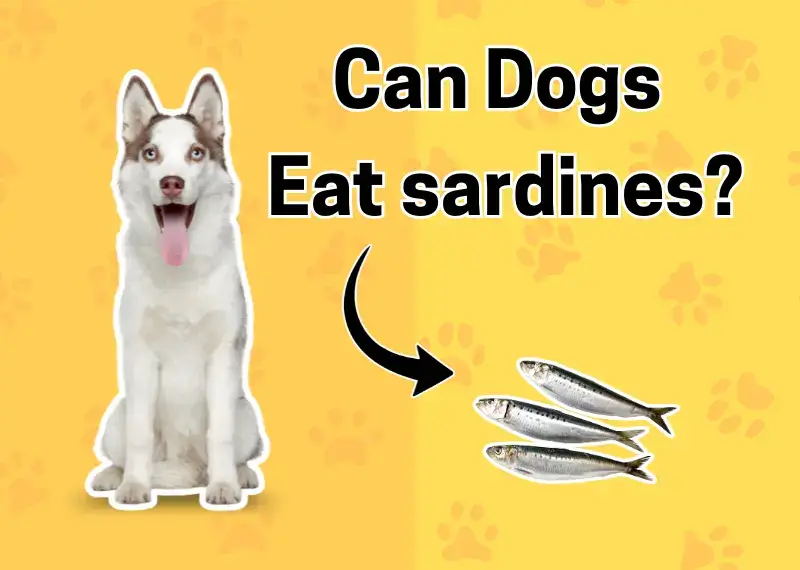
Sardines may not look like a gourmet snack to humans, but to many dogs, they smell like absolute heaven. If you’ve ever opened a can of sardines and watched your dog sprint into the kitchen like they just heard the treat jar open, you’re definitely not alone. Dog owners everywhere are asking the same question: Can dogs eat sardines safely? The short answer is yes, but there’s a lot more to know before tossing a fish into your pup’s bowl.
Veterinarians and pet nutrition experts generally agree that sardines can be a healthy addition to a dog’s diet when served properly and in moderation. Sardines are rich in omega-3 fatty acids, protein, vitamin D, selenium, and calcium, making them one of the most nutrient-dense fish options available for dogs. Since sardines are small fish low on the food chain, they also contain lower mercury levels than larger fish like tuna.
Still, not every sardine product is dog-friendly. Some canned varieties contain excess salt, oils, tomato sauce, garlic, or spicy seasonings that can upset your dog’s stomach or even become toxic. That’s why understanding the right type of sardines, proper serving sizes, and potential health risks matters just as much as knowing the benefits.
Are Sardines Safe for Dogs?
Yes, dogs can safely eat sardines when they are prepared correctly and fed in moderation. In fact, many veterinarians consider sardines one of the healthiest fish choices for dogs because they are naturally rich in nutrients while remaining relatively low in contaminants like mercury. Compared to larger predatory fish such as tuna, sardines accumulate far fewer toxins due to their short lifespan and lower position in the ocean food chain.
Think of sardines as nature’s tiny multivitamin wrapped in a fish body. They deliver a surprising amount of nutrition in a very small package. Dogs benefit from the healthy fats and proteins found in sardines, especially active dogs, senior dogs, and breeds prone to dry skin or joint stiffness. Many dog owners even use sardines as a natural topper for dry kibble because the strong smell encourages picky eaters to finish their meals.
The keyword here, though, is moderation. Feeding too many sardines can create problems instead of benefits. Sardines packed in oil, brine, tomato sauce, or flavored seasonings may contain excessive sodium, unhealthy fats, onions, garlic, or spices that are not safe for dogs. Dogs with conditions like pancreatitis, obesity, kidney disease, or certain liver problems may also need to avoid sardines entirely unless approved by a veterinarian.
Preparation matters just as much as the fish itself. Plain sardines packed in water with no added salt are generally considered the safest canned option. Fresh sardines are also excellent if cooked thoroughly and served without heavy seasoning. If you wouldn’t hand your dog a bag of salty potato chips, you probably shouldn’t feed heavily processed sardines either. The healthiest approach is to keep things simple and natural.
Why Sardines Are Considered a Healthy Fish
Sardines stand out because they contain high levels of EPA and DHA omega-3 fatty acids, which support brain function, skin health, heart health, and the control of inflammation. Unlike some trendy supplements with questionable effectiveness, sardines provide these nutrients in a whole-food form that many dogs can easily digest.
When Sardines May Be Unsafe
Dogs with pancreatitis, obesity, kidney disease, or sensitivity to fatty foods may react poorly to sardines. Sardines containing garlic, onions, excessive salt, sauces, or oils can also create serious health problems. Always check labels carefully before feeding canned varieties.
Nutritional Benefits of Sardines for Dogs
One reason sardines have become so popular among dog owners is their impressive nutritional profile. These tiny fish punch far above their weight when it comes to supporting canine health. If dog foods had superheroes, sardines would probably wear a cape made of omega-3 fatty acids.
The biggest nutritional advantage of sardines is their omega-3 fatty acid content. These healthy fats help reduce inflammation throughout the body, which can be especially beneficial for dogs with arthritis, itchy skin, allergies, or joint pain. Some pet owners notice improvements in their dog’s coat within just a few weeks after introducing sardines into the diet. Dull fur often becomes shinier, flaky skin may calm down, and excessive itching sometimes decreases.
Sardines are also packed with high-quality protein. Protein is essential for maintaining strong muscles, supporting immune function, and helping the body repair tissues. Active dogs, working breeds, and growing puppies particularly benefit from adequate protein intake. Unlike heavily processed meat treats, sardines provide protein in a more natural, nutrient-rich form.
Here’s a quick look at some key nutrients found in sardines and how they benefit dogs:

| Nutrient | Benefit for Dogs |
| Omega-3 Fatty Acids | Supports skin, joints, heart, and brain |
| Protein | Helps muscle growth and repair |
| Vitamin D | Supports bone health |
| Calcium | Strengthens teeth and bones |
| Selenium | Provides antioxidant support |
| Vitamin B12 | Supports nerve and brain function |
Sardines even contain soft edible bones in wide canned varieties, which provide additional calcium and phosphorus. Unlike hard-cooked chicken bones that can splinter dangerously, the tiny bones in canned sardines are usually soft enough to safely chew and digest.
Omega-3 Fatty Acids and Skin Health
Dogs with dry skin, dandruff, allergies, or dull coats often benefit from omega-3-rich foods like sardines. These healthy fats work like internal moisturizers, helping skin retain hydration while reducing inflammation.
Protein and Muscle Support
Protein acts as a building block for your dog’s body. Sardines provide lean protein that helps maintain muscle mass, especially in aging dogs who naturally lose muscle over time.
Vitamins and Minerals Found in Sardines
Sardines naturally contain vitamin D, vitamin B12, calcium, and selenium. These nutrients help support everything from bone density to nervous system function and immune health.
Can Puppies Eat Sardines?
Puppies can eat sardines, but caution is extremely important. Their smaller bodies and developing systems mean portion sizes should stay very small. While sardines offer healthy nutrients for growth, feeding too much too early can upset digestion or unbalance a carefully designed puppy diet.
Imagine giving a toddler an energy drink. Even if some ingredients are technically healthy, too much concentrated food can overwhelm a growing body. Puppies require balanced nutrition specifically designed for growth stages, so sardines should be used only as occasional supplements or training rewards, not as a dietary staple.
Veterinary sources warn that large fish, such as tuna, can expose puppies to excessive levels of mercury. Sardines are considered safer because they are naturally lower in mercury than larger fish. That said, moderation still matters. Tiny breeds and young puppies should receive only very small amounts.
The safest approach is to start slowly. Offer a tiny bite of plain sardine and monitor your puppy for digestive issues such as diarrhea, vomiting, or itching. Some puppies handle fish beautifully, while others may have sensitive stomachs. Just like humans, dogs have individual tolerances.
Safe Feeding Practices for Puppies
Choose plain sardines packed in water without added salt or seasonings. Start with a tiny piece once or twice weekly. If your puppy tolerates it well, you can occasionally use sardines as a healthy treat or meal topper.
Fresh vs Canned Sardines for Dogs
Dog owners often wonder whether fresh sardines are healthier than canned ones. The truth is, both options can work well, but each comes with pros and cons. Choosing between them depends on convenience, budget, and ingredient quality.
Fresh sardines are excellent because they are minimally processed and free from unnecessary additives. When cooked plainly, they provide high-quality protein and omega-3 fatty acids without excess sodium. The downside is that fresh sardines spoil quickly and require preparation. You’ll also need to remove any hard bones if they remain intact after cooking.
Canned sardines are incredibly convenient and affordable. They’re easy to store, simple to serve, and often contain soft edible bones rich in calcium. Many dog owners prefer canned sardines because they can be quickly added to meals without cooking. Still, not every can is safe. Some brands contain oils, brines, tomato sauces, garlic, onions, or spicy flavorings that are dangerous for dogs.
The best canned sardines for dogs are:
- Packed in water
- No added salt
- No oils
- No seasonings
- No sauces
A good rule is pretending you’re shopping for a dog with a very boring palate. If the sardines sound delicious to humans because they’re loaded with spices and sauces, they probably aren’t ideal for your dog.
Which Type Is Better?
Both plain fresh sardines and canned sardines in water are healthy choices. Fresh sardines offer less sodium, while canned sardines provide convenience and soft, digestible bones.
Ingredients You Should Avoid
Avoid sardines packed in:
- Tomato sauce
- Oil
- Brine
- Chili sauce
- Garlic seasoning
- Onion flavoring
How Many Sardines Can Dogs Eat?
Even healthy foods can become unhealthy when overfed. Sardines are nutrient-dense, meaning a little goes a long way. Feeding too much can add excess calories and fat to your dog’s diet, potentially causing weight gain or digestive issues.
Veterinary nutrition advice generally recommends sardines as an occasional treat rather than a full meal replacement. A commonly suggested guideline is about 1 sardine per 20 pounds of body weight, offered 2 to 3 times per week. Smaller dogs may only need half a sardine, while larger dogs can safely eat several depending on overall diet and activity level.
Here’s a general feeding guide:
| Dog Size | Suggested Serving |
| Small Dogs | 1/2 sardine |
| Medium Dogs | 1 sardine |
| Large Dogs | 2 sardines |
| Giant Breeds | 3 sardines |
These are rough guidelines, not strict rules. A highly active Labrador may tolerate more than a sedentary senior pug. Dogs already receiving omega-3 supplements or fish-based diets may need smaller portions to avoid excessive fat intake.
The smartest approach is balance. Sardines should complement a complete dog diet, not replace it. Think of them like adding avocado to a salad. Healthy? Absolutely. But eating ten avocados daily probably wouldn’t end well.

Serving Sizes by Dog Size
Small breeds require much smaller portions because calorie intake adds up quickly. Large breeds can usually tolerate slightly larger servings due to higher energy needs.
How Often Dogs Should Eat Sardines
Most veterinarians recommend feeding sardines two or three times weekly rather than daily. This helps dogs enjoy the nutritional benefits without overloading on fat or calories.
Potential Risks of Feeding Sardines
Although sardines are generally healthy, they are not risk-free. Many dog owners assume natural foods are automatically safe in unlimited amounts, but that’s not how canine nutrition works. Even healthy fish can cause problems if served improperly.
One major concern is sodium content. Some canned sardines contain large amounts of salt, especially those packed in brine. Excess sodium can stress the kidneys and contribute to dehydration. Dogs with kidney disease or heart conditions may be at higher risk from salty foods.
Oil-packed sardines also deserve caution. Excess dietary fat can trigger digestive upset or even pancreatitis in sensitive dogs. Pancreatitis is a painful inflammation of the pancreas that may cause vomiting, abdominal pain, diarrhea, and lethargy. Dogs prone to pancreatitis should avoid fatty treats unless specifically approved by a veterinarian.
Bones can present another issue depending on preparation. Soft canned sardine bones are usually safe, but larger fresh fish bones may pose a choking hazard or irritate the digestive tract if not removed properly.
Mercury contamination is often discussed when feeding fish to dogs. Sardines are among the safer fish choices because they contain significantly lower levels of mercury than larger species like tuna. That’s one reason many veterinarians prefer sardines over tuna for regular fish treats.
Sodium and Added Oils
Always check nutrition labels. Sardines in water with no added salt are safest for most dogs.
Pancreatitis and Digestive Problems
Dogs sensitive to fatty foods may experience diarrhea, vomiting, or pancreatitis after eating oily sardines.
Fish Bones and Choking Hazards
Soft canned bones are generally digestible, but hard bones from fresh sardines should be removed carefully before serving.
Best Ways to Serve Sardines to Dogs
The simplest serving method is often the best. Dogs don’t need fancy seafood recipes or gourmet presentations. In fact, simpler preparation usually means healthier nutrition.
Many dog owners mash sardines into kibble as a topper. The strong fish smell makes meals more exciting, especially for picky eaters. Others freeze small sardine portions into treats for hot weather enrichment. Some even blend sardines with plain pumpkin puree for homemade dog snacks.
Fresh sardines should always be cooked thoroughly before serving. Cooking reduces the risks of bacteria and parasites. Raw fish diets remain controversial among veterinarians because freezing may kill some parasites but not all harmful bacteria.
One clever idea is using sardines during training sessions. Because dogs find them highly motivating, tiny sardine pieces can work as high-value rewards for recall practice or difficult commands. Just remember that sardines are calorie-dense, so training portions should stay small.
Easy Homemade Sardine Meal Ideas
- Mix mashed sardines into dry kibble.
- Add sardines to plain rice and vegetables.
- Freeze tiny sardine bites for summer treats.
- Blend with pumpkin puree for digestive support.
- Use tiny pieces as training rewards.
Can Dogs Eat Sardines Every Day?
Technically, some dogs may tolerate daily sardines, but most experts recommend moderation instead of daily feeding. Sardines are high in fat and calories, so feeding them every day could gradually lead to a nutritional imbalance or unwanted weight gain.
There’s also the issue of dietary variety. Dogs benefit from balanced nutrition across multiple food sources. Feeding the same rich treat daily may crowd out other essential nutrients. Some veterinary discussions online also mention concerns about copper levels and long-term fish overconsumption in dogs with specific liver conditions.
If your dog already eats a fish-based diet or takes fish oil supplements, adding sardines every day may be excessive. Think of sardines like peanut butter. Healthy in reasonable amounts, but probably not something you’d spread on every meal forever.
For most healthy dogs, two to three weekly servings provide the sweet spot between nutritional benefits and safety.
What Veterinarians Say About Sardines
Veterinary opinions on sardines are generally positive when they are served responsibly. Experts often highlight sardines as a lower-mercury alternative to larger fish like tuna. Many veterinarians appreciate sardines because they naturally contain omega-3 fatty acids, without the need for heavily processed supplements.
Dr. Sarah Lynn Wallace and other veterinary reviewers emphasize that sardines can support the management of inflammation, coat quality, and overall wellness. Veterinary-reviewed resources also consistently warn owners to avoid flavored sardines and overfeeding.
Interestingly, discussions within pet communities and Reddit threads reveal that some veterinarians recommend limiting sardines to once or twice weekly for caution, especially in dogs with underlying health conditions. That balanced perspective matters because nutrition is never one-size-fits-all.
The best approach is to use sardines strategically rather than obsessively. They work wonderfully as part of a balanced diet, but they are not magical cure-all foods. No single ingredient can replace proper veterinary care, exercise, hydration, and overall high-quality nutrition.
Conclusion
So, can dogs eat sardines? Absolutely. In many cases, sardines can be one of the healthiest and most nutritious treats you can offer your dog. They provide omega-3 fatty acids, protein, vitamins, and minerals that support everything from skin health to joint function and brain performance.
The secret lies in choosing the right kind. Plain sardines packed in water with no added salt or seasonings are the safest option for most dogs. Freshly cooked sardines also work well when prepared simply. Avoid sardines packed in oil, tomato sauce, brine, garlic, onions, or spicy seasonings.
Moderation matters just as much as preparation. Sardines should be used as an occasional supplement or treat, not as a dietary replacement. Dogs with pancreatitis, obesity, kidney disease, or certain liver conditions may require extra caution and veterinary guidance before adding sardines to their meals.
For many dogs, though, sardines are like a tiny ocean-powered health boost hiding inside a fishy little package. And judging by the tail wagging most dogs do when they smell them, they definitely approve.
FAQs
Can dogs eat canned sardines?
Yes, dogs can eat canned sardines if they are packed in water without added salt, oil, or seasonings.
Are sardines better for dogs than tuna?
Generally yes. Sardines contain lower levels of mercury than tuna because they are smaller fish and lower on the food chain.
Can dogs eat sardine bones?
Soft bones in canned sardines are usually safe and digestible. Hard bones from fresh sardines should be removed carefully.
How often should dogs eat sardines?
Most experts recommend feeding sardines two or three times per week rather than daily.
Can sardines help dogs with itchy skin?
Yes, the omega-3 fatty acids in sardines may help reduce inflammation and improve skin and coat health.