Tails & Trails Dog Park at Queeny Park: Membership Guide
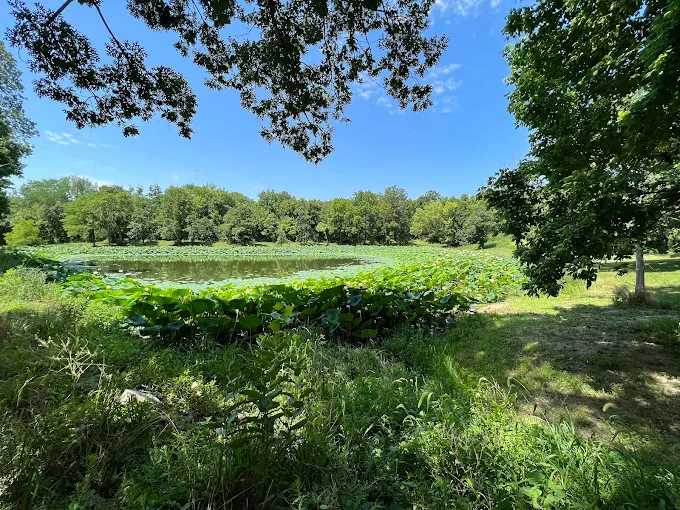
Dog owners in St. Louis are constantly searching for a safe, spacious, and well-maintained place where their pets can run freely without the chaos often found in overcrowded public dog parks. That search usually leads to Tails & Trails Dog Park at Queeny Park, one of the most talked-about members-only dog parks in Missouri. With separate play zones, agility equipment, pond access, and a controlled membership system, this off-leash park has built a strong reputation among serious dog owners who want more than just an open field with a fence.
Dog park address: 1675 S Mason Rd, St. Louis, MO 63131, United States
Dog park website
Dog park phone number
Get directions.
What makes this park different is not just the amenities—it is the structure behind it. Unlike free-entry parks, where anyone can show up with little oversight, Tails & Trails uses membership requirements and vaccination verification to create a cleaner, safer environment. For many pet parents, that alone justifies the annual fee. Still, questions remain. Is the membership worth it? Is the pond safe? Are there hidden rules? How does it compare to other St. Louis dog parks?
What Is Tails & Trails Dog Park at Queeny Park?
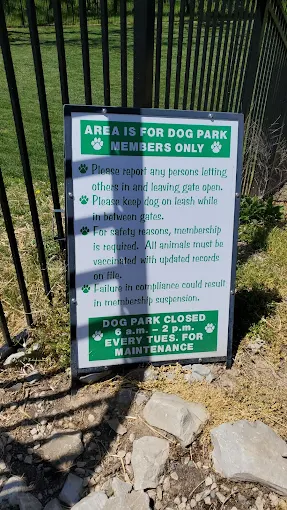
Queeny Park is home to one of the most respected off-leash dog parks in the St. Louis region. Known as Tails & Trails Dog Park, this 5-acre members-only facility was designed specifically for dog owners seeking a safer, more controlled environment for exercise and socialization. Instead of functioning like a crowded public dog park with loosely enforced rules, the park operates through an annual membership system that requires vaccination records and owner accountability.
For dog owners, this setup feels a little like joining a private gym instead of using a public playground. The difference becomes obvious the moment you arrive. The grounds are generally cleaner, the dogs are better socialized, and the owners are often more attentive. That matters because dog parks can sometimes become unpredictable spaces where energy levels, behavior, and supervision vary wildly. Tails & Trails attempts to reduce those problems through structure and rules.
The park includes fenced sections for both large and small dogs, which is a huge relief for owners of toy breeds and nervous puppies. A Chihuahua owner does not want their dog accidentally bulldozed by a hyperactive Labrador. The separation system dramatically reduces that risk. Add in agility stations, pond access, shaded seating, and evening lighting, and the park begins to feel more like a dedicated canine recreation center than a basic outdoor enclosure.
Why the Park Has Become Popular Among St. Louis Dog Owners
Dog culture has changed significantly in recent years. Pets are no longer treated as backyard animals; they are family members. People spend thousands of dollars annually on nutrition, grooming, training, and enrichment activities. Because of that shift, owners now expect higher standards from dog-friendly spaces.
Tails & Trails fits perfectly into that modern mindset. The park offers a space where dogs can safely burn off energy while owners connect with a community of like-minded people. Many members describe the experience as social for both humans and pets. Conversations about training, food brands, behavioral issues, and veterinarian recommendations naturally occur during park visits.
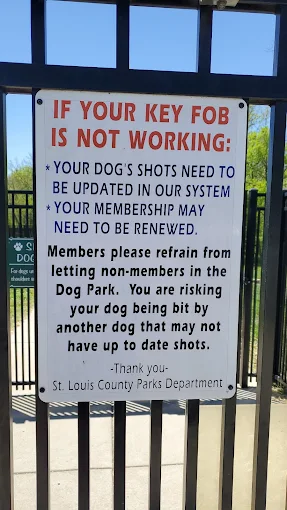
The membership-only system also creates psychological trust. When owners know every dog entering the park must meet vaccination requirements, they feel more comfortable allowing off-leash interaction. This is especially important because illnesses such as kennel cough, parvovirus, and parasites remain major concerns in shared dog spaces.
Location and Accessibility
Located within Queeny Park in St. Louis County, the dog park is relatively easy to access from surrounding suburbs, including Chesterfield, Ballwin, and Manchester. Parking availability is one of the park’s underrated strengths. Many urban dog parks struggle with limited parking and overcrowding, but Tails & Trails offers enough space to reduce that frustration.
The park also benefits from being situated within a larger recreational area. Owners often combine dog park visits with walks through the surrounding trails and green spaces. Outside the designated off-leash area, dogs must remain leashed, but the rest of the park still offers excellent opportunities for exercise and exploration.
Membership Costs and Requirements
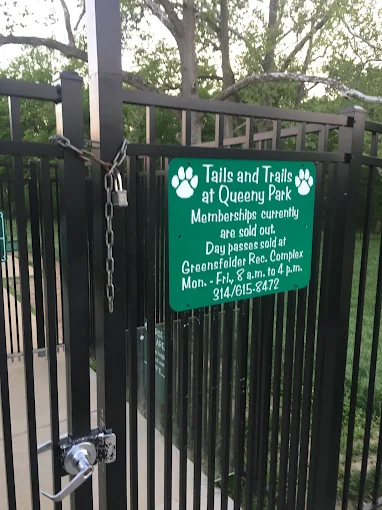
One of the biggest questions people ask is simple: How much does a Tails & Trails Dog Park membership cost? The current annual fee is approximately $75 per dog, and there are no day passes available. That detail surprises many first-time visitors who expect a pay-per-visit option. The park intentionally avoids casual drop-ins because the membership model helps maintain consistency and accountability.
At first glance, some owners hesitate at the price. After all, free dog parks exist throughout the St. Louis area. But many regular visitors argue the fee actually saves money in the long run. Why? Cleaner facilities, reduced risk of dog conflicts, and better-maintained grounds mean fewer vet bills, fewer stressful experiences, and a more enjoyable atmosphere overall.
Current Membership Pricing
| Annual fee | $75 per dog |
| Day passes | Not available |
| Membership type | Per dog |
| Vaccination proof required | Yes |
| License required | Yes |
The “per dog” structure means multi-dog households will pay separately for each animal. While that increases costs, it also reinforces the idea that each dog must meet health and behavioral standards individually.
Vaccination and Licensing Requirements
To receive membership approval, owners typically need to provide updated vaccination records, including rabies and DHPP coverage. Some cases may also require Bordetella vaccination proof due to close contact in dog parks.
This requirement is not just bureaucracy—it directly affects safety. Veterinarians consistently warn about the risks of disease transmission in communal dog areas. Kennel cough spreads rapidly among dogs that interact closely, and parasites such as Giardia can easily travel through contaminated soil or standing water.
A valid dog license is also generally required under St. Louis County regulations. This helps establish accountability and ensures dogs are legally registered.
How to Apply for Membership
Applications are processed through the recreation administration connected to the park system. Owners typically submit:
- Vaccination records
- Dog license information
- Owner contact details
- Payment for annual membership
The process may sound formal, but that structure is exactly why many members trust the park. Think of it like airport security. Nobody loves the extra steps, but most people appreciate the safer environment it creates.
Amenities Available at Tails & Trails
Amenities are where Tails & Trails truly separates itself from many public dog parks. Instead of offering only open grass and fencing, the park includes features designed specifically for canine enrichment and owner comfort.
Separate Areas for Large and Small Dogs
This is arguably the park’s most important feature. Large dogs and small dogs simply do not always play safely together, even when intentions are good. A playful Golden Retriever can accidentally injure a tiny terrier without any aggression involved.
The separate fenced sections allow dogs to interact with others closer to their size and energy level. Small dog owners consistently mention this as one of the biggest reasons they choose Tails & Trails over free alternatives.
Pond and Water Features
The pond area adds another layer of enrichment that many dogs absolutely love. Retrievers, Labradors, and water-loving breeds often spend much of their visit splashing, swimming, and cooling off.
Still, pond access comes with responsibility. Experts advise owners to avoid allowing dogs to drink excessive amounts of pond water due to potential exposure to algae or bacteria. Bringing fresh water is strongly recommended. After swimming, owners should also check ears and paws carefully to prevent irritation or infection.
Agility Equipment and Training Stations
The park includes four permanent agility stations that encourage physical exercise and mental stimulation. Agility activities are excellent for building confidence and improving focus. Dogs learn coordination, impulse control, and responsiveness while burning energy in a healthy way.
For high-energy breeds such as Border Collies, Australian Shepherds, and Belgian Malinois, agility elements can make a massive difference. Without proper stimulation, these intelligent breeds often develop destructive habits at home. The agility area acts like a canine obstacle course that channels that energy productively.
Lighting, Restrooms, and Parking
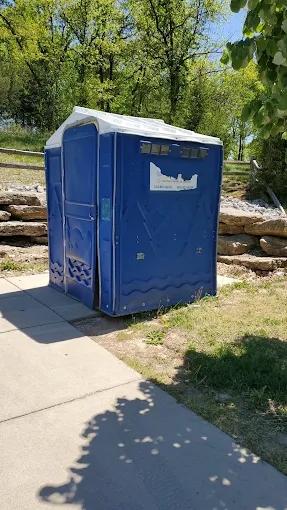
Practical conveniences matter more than people realize. Evening lighting allows owners to visit after work during shorter winter days. Restrooms improve comfort during longer outings. Ample parking reduces stress before the visit even begins.
| Separate dog areas | Yes |
| Pond access | Yes |
| Agility stations | 4 permanent stations |
| Watering stations | Yes |
| Restrooms | Yes |
| Lighting | Yes |
| Parking | Ample |
| Indoor area | No |
Is Tails & Trails Dog Park Safe?
Safety is probably the most emotionally loaded topic surrounding any dog park discussion. Some trainers strongly discourage dog parks entirely, while others believe properly managed parks offer tremendous social and physical benefits.
The truth sits somewhere in the middle.
Veterinary Concerns About Dog Parks
Veterinarians frequently warn about diseases, parasites, and behavioral risks associated with communal dog spaces. Even well-maintained parks cannot eliminate every danger. Dogs interact closely, share water sources, and encounter unfamiliar animals constantly.
Common concerns include:
| Kennel cough | Airborne respiratory illness |
| Parvovirus | Highly contagious viral disease |
| Parasites | Fleas, ticks, giardia |
| Injuries | Rough play or fights |
| Stress | Overstimulation and anxiety |
These concerns are alarming, but responsible owners can significantly reduce risk through vaccination, supervision, and proper timing.
Common Risks Owners Should Know
Many problems arise not from aggressive dogs, but from inattentive owners. Someone scrolling on their phone while their dog harasses others can quickly create dangerous situations.
Dogs also communicate differently than humans interpret. What appears playful can escalate into tension within seconds. Responsible owners should learn canine body language, including signs such as stiff posture, excessive mounting, pinned ears, or avoidance behavior.
Another overlooked issue is exhaustion. Overstimulated dogs sometimes lose impulse control after extended play. Shorter, high-quality visits are often safer than marathon sessions.
How Membership Improves Safety
The membership structure acts like a filter. Dogs with severe behavioral problems are less likely to remain members if complaints arise. Vaccination checks reduce health risks, and accountability encourages better owner behavior.
No dog park is perfectly safe, but Tails & Trails appears safer than many unrestricted public alternatives because it limits random access and encourages responsible participation.
Benefits of Visiting an Off-Leash Dog Park
Despite the risks, off-leash parks provide major benefits when used correctly.
Physical Health Benefits
Dogs need exercise just like humans do. Without enough activity, obesity, anxiety, and destructive behavior become common. Off-leash running allows dogs to sprint, turn, chase, and explore naturally in ways leash walks cannot replicate.
For energetic breeds, a simple neighborhood walk often feels like giving an athlete a five-minute treadmill session and calling it training. Dog parks provide the cardiovascular workout many dogs truly need.
Mental Stimulation and Socialization
Mental enrichment matters just as much as physical activity. New scents, environments, dogs, and interactions stimulate the canine brain intensely.
Proper socialization also improves confidence and communication skills. Dogs learn boundaries, play styles, and body language cues through repeated supervised interaction. That said, not every dog enjoys dog parks. Some prefer structured walks or one-on-one play instead.
Owners should always prioritize the dog’s comfort level over social expectations.

Comparing Tails & Trails to Other St. Louis Dog Parks
The St. Louis area has several dog parks, but not all offer the same experience.
| Membership screening | Yes | No |
| Vaccination checks | Yes | Rare |
| Separate dog zones | Yes | Sometimes |
| Agility equipment | Yes | Limited |
| Pond access | Yes | Rare |
| Lighting | Yes | Often unavailable |
| Restrooms | Yes | Limited |
Best Features Compared to Free Parks
The biggest advantage is consistency. Free parks can vary dramatically day to day depending on crowd size and owner behavior. Tails & Trails feels more predictable because membership creates recurring community patterns.
That predictability matters for nervous dogs and cautious owners.
Is the Membership Fee Worth Paying?
If you visit regularly, absolutely. For frequent users, the annual fee breaks down into a very small cost per visit. Owners who go only a few times a year may find free parks more practical.
The answer ultimately depends on how much value you place on cleanliness, safety, amenities, and controlled access.
What to Bring to Tails & Trails Dog Park
Preparation improves safety and enjoyment.
Essential Items for Every Visit
Bring:
- A sturdy leash
- Fresh water
- Portable bowl
- Waste bags
- Vaccination documentation, if needed
- Phone for emergencies
- Towels for muddy dogs
- Treats for recall training
Many owners also bring towels specifically because of the pond area. A wet Labrador in a clean car interior is basically a natural disaster waiting to happen.
Rules, Etiquette, and Owner Responsibilities
Dog parks function best when owners actively participate rather than treat the park like a daycare facility.
Handling Aggressive Behavior
If your dog becomes overwhelmed or reactive, leaving early is the responsible decision. Many conflicts escalate because owners ignore warning signs, hoping the dogs will “work it out.”
Membership can reportedly be revoked for dangerous behavior, which reinforces accountability.
Dog Park Etiquette Tips
Good etiquette includes:
- Supervising continuously
- Cleaning up immediately
- Avoiding food around unfamiliar dogs
- Respecting size-specific areas
- Interrupting rough play early
- Monitoring body language
Think of a dog park like a busy playground. The environment works only when everyone actively contributes to safety and respect.
Final Verdict on Tails & Trails Dog Park
Tails & Trails Dog Park stands out as one of the strongest dog park options in the St. Louis region because it balances recreation with responsibility. The membership model, while inconvenient for casual visitors, creates a cleaner, more controlled atmosphere that many owners prefer to the unpredictable atmosphere of public parks.
The separate play zones, pond access, agility equipment, lighting, and well-maintained facilities make the experience feel premium compared to typical free-entry alternatives. For owners who visit frequently, the annual membership fee is easy to justify. Dogs gain exercise, socialization, and enrichment, while owners gain peace of mind.
This park is especially valuable for small dog owners, active breeds, and people who prioritize structured environments over chaotic free-for-all spaces. Casual visitors may prefer public parks, but serious dog owners looking for consistency will likely find Tails & Trails worth every dollar.
Frequently Asked Questions
Does Tails & Trails Dog Park offer day passes?
No. The park operates as a members-only facility with annual membership fees per dog.
Are puppies allowed at the park?
Puppies may be allowed if they meet age and vaccination requirements, but owners should confirm current rules before applying.
Is the pond safe for dogs?
The pond is popular for water play, but owners should avoid letting dogs drink excessive amounts of pond water due to the risk of bacteria and algae.
Can aggressive dogs lose membership privileges?
Yes. Parks with membership systems often reserve the right to revoke access for dangerous or repeatedly aggressive behavior.
Is Tails & Trails better than free dog parks?
For many owners, yes. The membership structure, vaccination checks, amenities, and controlled environment make it feel safer and cleaner than many public alternatives.