Most Aggressive Dog Breeds: Facts, Myths, and What You Need to Know
Understanding Dog Aggression
What Does “Aggressive” Really Mean?
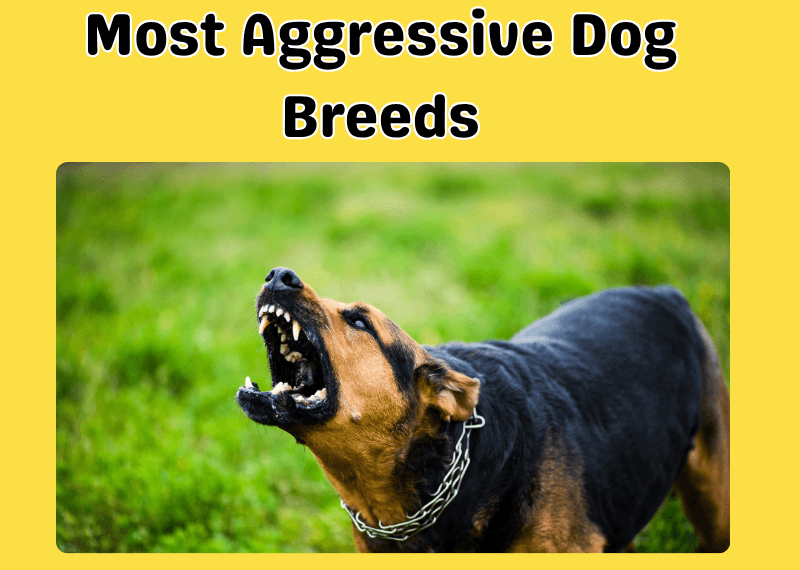
When people search for the most aggressive dog breeds, they usually imagine dangerous animals ready to attack at any moment. But that’s not how it works in reality. Aggression in dogs is a behavior, not a personality trait carved in stone. It can show up as growling, barking, snapping, or biting, and often it’s a reaction rather than a default mode.
Think about it like human behavior. Even the calmest person can react aggressively if pushed into a corner, right? Dogs are no different. They respond to fear, stress, pain, or perceived threats. Labeling an entire breed as “aggressive” oversimplifies a very complex issue.
Experts and veterinarians consistently emphasize that aggression depends more on training, environment, and upbringing than on breed alone. That means a well-trained so-called “aggressive breed” can be safer than an untrained “friendly breed.”
So instead of asking, “Which dog is the most aggressive?” a better question might be: “What makes a dog aggressive?” That shift in thinking changes everything.
Key Factors That Influence Aggression
Dog behavior is shaped by a mix of genetics and life experiences. Some breeds were historically bred for guarding, hunting, or protection, which may have strengthened their instincts. But instincts don’t automatically translate into aggression.
Several key factors play a role:
- Lack of socialization during the early puppy stages
- Poor training or inconsistent discipline
- Fear or anxiety
- Past abuse or neglect
- Protective or territorial instincts
Studies show that dogs that feel threatened or cornered are far more likely to bite. That’s why even small, seemingly harmless dogs can show aggressive behavior.
In short, aggression isn’t about the breed alone—it’s about the environment, handling, and human responsibility behind the dog.
Dog Bite Statistics and Real Data
Global Dog Bite Trends
Let’s ground this discussion in real numbers. Dog bites are more common than many people realize. In the United States alone, around 4.5 million people are bitten by dogs every year, and about 800,000 require medical attention.
That’s not a small issue—it’s a public safety concern.
What’s even more interesting is who gets bitten the most. Children are among the most frequent victims, especially those aged between 5 and 9 years. Why? Because kids often don’t understand warning signs like growling or stiff body posture.
Another important insight: most bites happen from dogs the victim already knows, not random street dogs. That means aggression often develops within familiar environments, not just in “dangerous breeds.”
Which Breeds Are Most Frequently Involved?
Now, let’s address the big question: which breeds are most often involved in aggressive incidents?
According to multiple studies:
- Pit bull-type dogs are involved in about 22.5% of bite incidents.
- Mixed breeds follow closely at 21.2%
- German Shepherds account for 17.8%
In terms of fatal attacks, pit bull-type dogs are disproportionately represented, accounting for a large percentage of severe cases.
But here’s the twist—these numbers don’t necessarily mean these breeds are inherently aggressive. Popular breeds naturally appear more in statistics simply because there are more of them.
Top Most Aggressive Dog Breeds
Pit Bull-Type Dogs
Pit bulls are often at the center of debates about aggression. Their strong build, powerful jaws, and history in fighting roles make them capable of causing serious harm. Statistics consistently show they are involved in a higher percentage of severe and fatal attacks.
But here’s the part many people overlook: pit bulls can also be incredibly affectionate and loyal family pets. With proper training and socialization, they often exhibit gentle, loving behavior.
The real issue isn’t just the breed—it’s how they are raised. A poorly trained pit bull can be dangerous, but so can any large, powerful dog.

Rottweiler
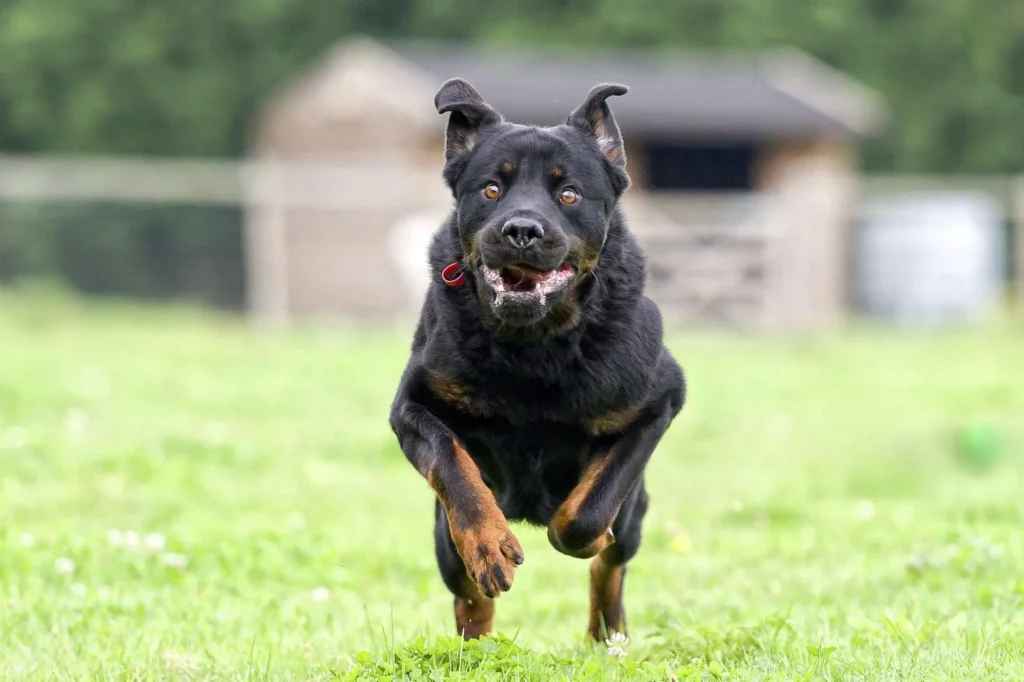
Rottweilers are known for their strength, intelligence, and protective instincts. They were originally bred as working and guarding dogs, which means they naturally take their job seriously.
Because of their size and power, when a Rottweiler becomes aggressive, the consequences can be severe. They are frequently listed among breeds involved in serious bite incidents.
However, in the right hands, Rottweilers are calm, obedient, and extremely loyal. They thrive under structured training and confident leadership.
German Shepherd
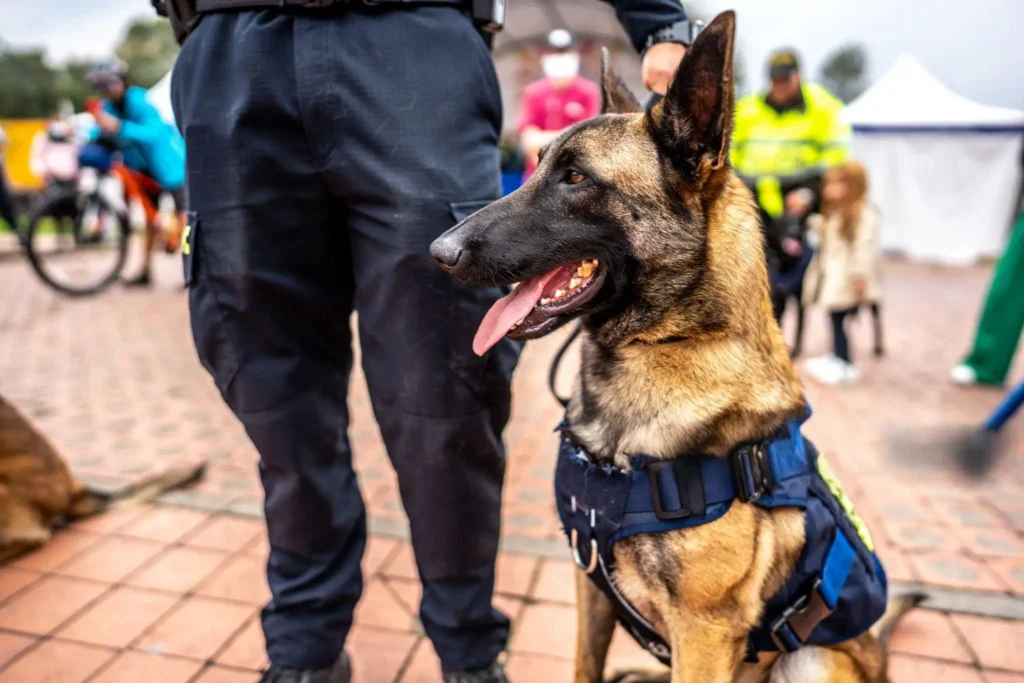
German Shepherds are widely used as police and military dogs, which tells you something important—they are highly trainable and intelligent.
Their protective nature can sometimes turn into aggression if they perceive a threat. This is especially true if they are not properly socialized.
Despite their reputation, German Shepherds are often gentle with family members and incredibly reliable when trained correctly.
Doberman Pinscher
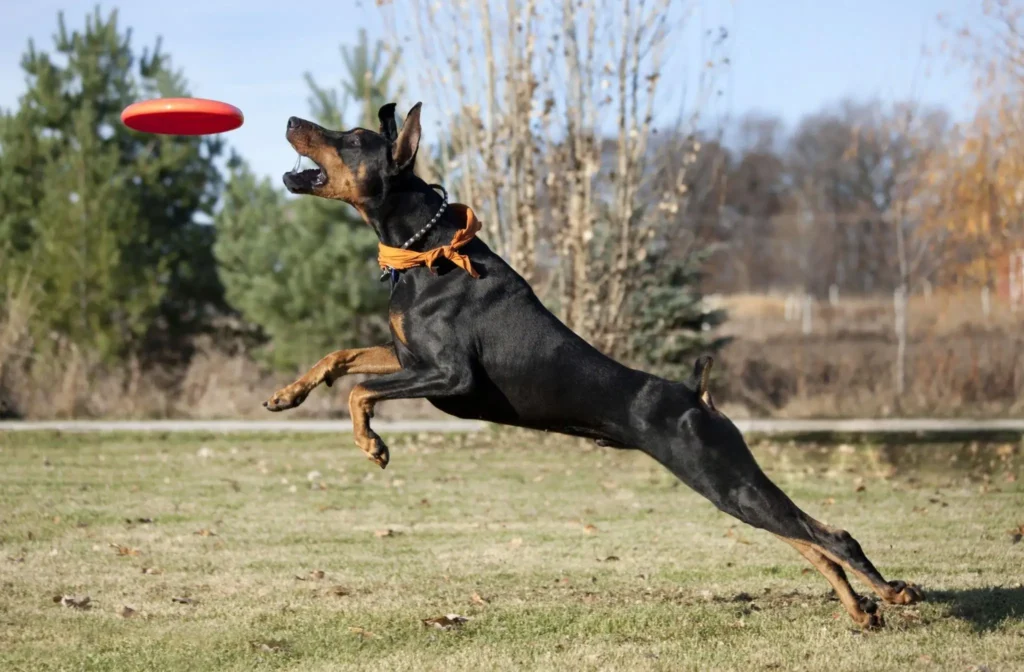
Dobermans are sleek, fast, and highly alert. They were bred for protection, making them naturally cautious around strangers.
This trait can be misinterpreted as aggression. In reality, Dobermans are extremely loyal and responsive to training. They need mental stimulation and consistent discipline to stay balanced.
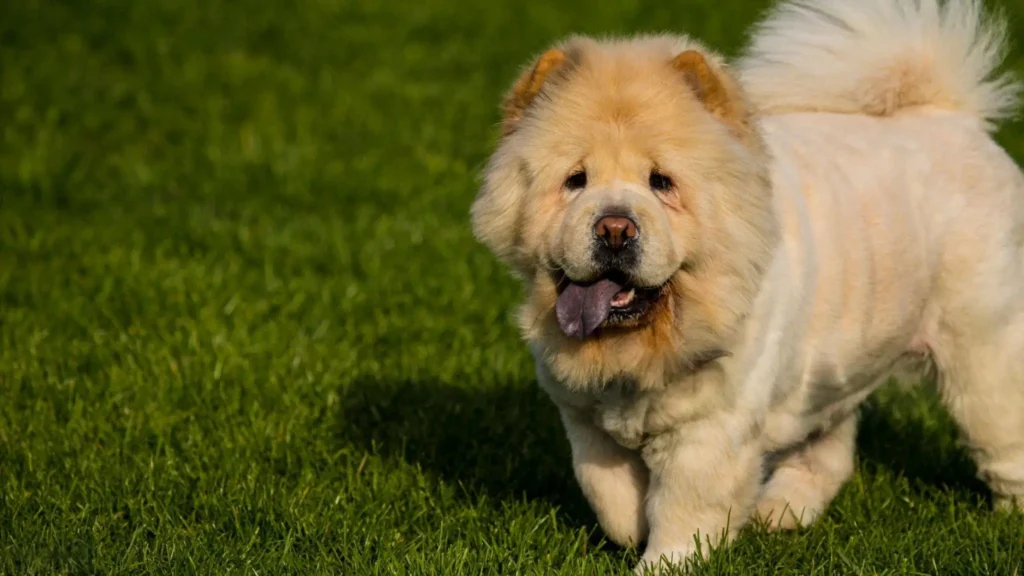
Chow Chow
Chow Chows might look like fluffy teddy bears, but don’t be fooled. They are known for being independent and sometimes aloof.
Unlike other breeds, Chow Chows don’t always seek constant human interaction. This independence can lead to territorial behavior if not managed properly.
Akita
Akitas are powerful and dignified dogs with strong guarding instincts. They tend to be reserved and can be wary of strangers.
Without proper training, their protective nature can escalate into aggression. However, experienced owners find them loyal and calm companions.

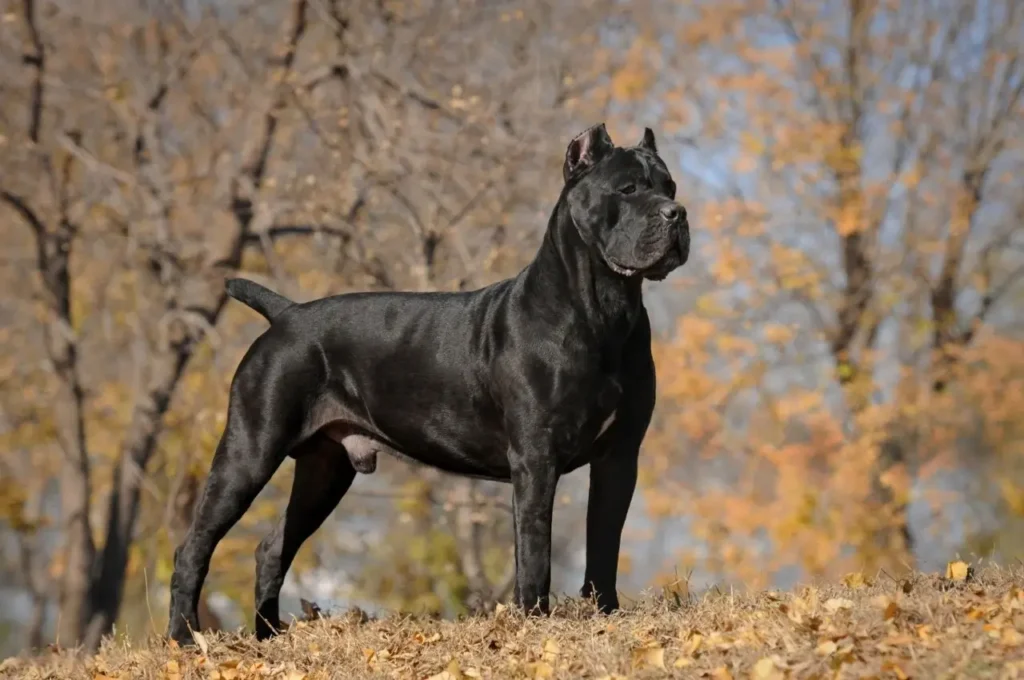
Cane Corso
The Cane Corso is a massive and muscular breed originally used for guarding property. They are naturally protective and require firm, experienced handling.
This is not a beginner-friendly dog. Without proper training, their strength and instincts can become difficult to control.
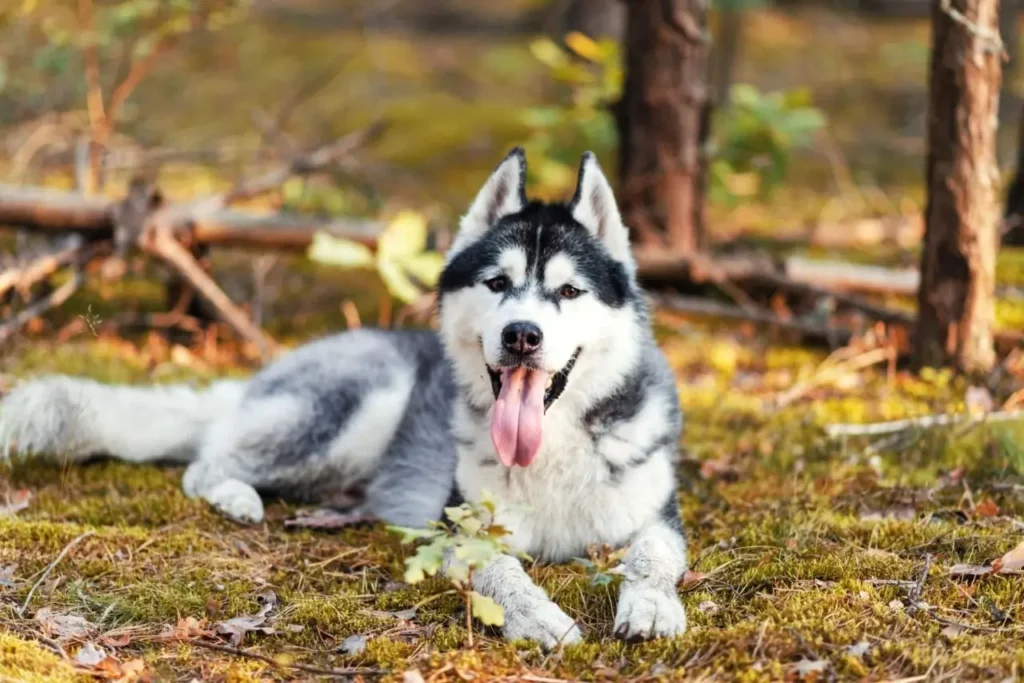
Siberian Husky
Huskies aren’t typically aggressive toward humans, but they can show unpredictable behavior if bored or under-stimulated.
Their high energy levels and strong prey drive make them challenging to manage without proper exercise and training.
Small Dogs Can Be Aggressive Too
Chihuahua and Small Breed Behavior
Here’s something surprising—small dogs can actually be more aggressive in behavior than large ones. Breeds like Chihuahuas and Jack Russell Terriers are known for frequent biting incidents, though their bites are usually less severe.
Why does this happen? Because small dogs are often not trained as strictly as large dogs. People tolerate bad behavior simply because the dog is small.
But aggression is aggression, regardless of size.
Why Some Dogs Become Aggressive
Poor Training and Socialization
Dogs are like blank slates when they’re born. Without proper training, they don’t learn how to behave around people or other animals.
A lack of early socialization is one of the biggest causes of aggression. Dogs that aren’t exposed to different environments, sounds, and people can become fearful—and fear often leads to aggression.
Fear, Trauma, and Environment
Dogs that have experienced abuse or neglect are more likely to develop aggressive tendencies. Fear-based aggression is one of the most common types.
Even well-bred dogs can become aggressive if they live in stressful or chaotic environments
How to Prevent Aggression in Dogs
Training Techniques
Training isn’t optional—it’s essential. Positive reinforcement, consistency, and patience go a long way.
Dogs respond best to clear rules and rewards. Harsh punishment often backfires, increasing fear-based aggression.
Responsible Ownership Tips
Owning a dog comes with responsibility. That means:
- Providing proper exercise
- Ensuring social interaction
- Maintaining consistent discipline
- Understanding your dog’s needs
A well-cared-for dog is far less likely to become aggressive.
Are Aggressive Breeds Really Dangerous?
Myth vs Reality
The idea of “aggressive breeds” is often exaggerated. While some breeds appear more frequently in statistics, aggression is not guaranteed.
In fact, experts argue that owner behavior and training matter far more than breed alone.
So instead of fearing certain breeds, it’s more productive to focus on responsible ownership.
Choosing the Right Dog for Your Lifestyle
Not every dog is suitable for every home. High-energy, protective breeds require experienced owners, while calmer breeds may suit families better.
Before choosing a dog, ask yourself:
- Do I have time for training?
- Can I provide enough exercise?
- Am I experienced with dogs?
Picking the right dog is just as important as training it.
Conclusion
The truth about the most aggressive dog breeds is far more nuanced than most people think. While certain breeds appear more often in bite statistics, aggression is not a fixed trait—it’s shaped by environment, training, and human behavior.
A powerful dog in the wrong hands can be dangerous. But the same dog, raised with care and discipline, can be a loyal and loving companion.
At the end of the day, it’s not just about the breed—it’s about responsibility, awareness, and proper training.
FAQs
What is the most aggressive dog breed?
Pit bull-type dogs are often reported to be involved in the highest number of severe bite incidents, but aggression depends heavily on training and environment.
Are small dogs less aggressive than big dogs?
Not necessarily. Small dogs often display aggressive behavior more frequently, but their bites are usually less severe.
Can aggressive dogs be trained?
Yes, with proper training, socialization, and professional guidance, most aggressive behaviors can be improved.
Why do dogs become aggressive?
Common reasons include fear, lack of training, poor socialization, and past trauma.
How can I prevent my dog from becoming aggressive?
Early training, consistent discipline, socialization, and a stable environment are key to preventing aggression.