


5 Best Small Hypoallergenic Dogs: Your Complete Guide to Allergy-Friendly Companions
Love dogs but struggle with allergies? You’re not alone. Millions of people face this heartbreaking dilemma every day. The good news is that small hypoallergenic dogs can be the perfect solution, offering all the joy of pet ownership without the constant sneezing, itching, and watery eyes.
While no dog is completely allergen-free, certain breeds produce significantly fewer allergens than others. These special companions shed less hair, produce less dander, and have coat types that trap allergens rather than releasing them into your home. If you’re ready to welcome a four-legged friend into your life without compromising your health, let’s explore the wonderful world of small hypoallergenic dogs.
Table of Contents
What Makes a Dog Hypoallergenic?
Understanding what makes a dog hypoallergenic is crucial before choosing your perfect companion. These special breeds have unique characteristics that make them more suitable for allergy sufferers. Small hypoallergenic dogs typically have coats that shed minimally, trap dander effectively, and produce fewer proteins in their saliva that trigger allergic reactions.
The secret lies in their coat structure and grooming patterns. Many hypoallergenic breeds have hair instead of fur, which grows continuously like human hair and sheds much less frequently. Others have curly or wiry coats that trap loose hair and dander, preventing these allergens from floating around your home and triggering symptoms.
It’s important to remember that “hypoallergenic” doesn’t mean allergen-free. These dogs still produce some allergens, but at much lower levels than typical breeds. The reduction in allergens can make the difference between suffering daily symptoms and enjoying a comfortable life with your furry friend.
The Top 5 Small Hypoallergenic Dog Breeds
1. Bichon Frise: The Fluffy Cloud of Joy
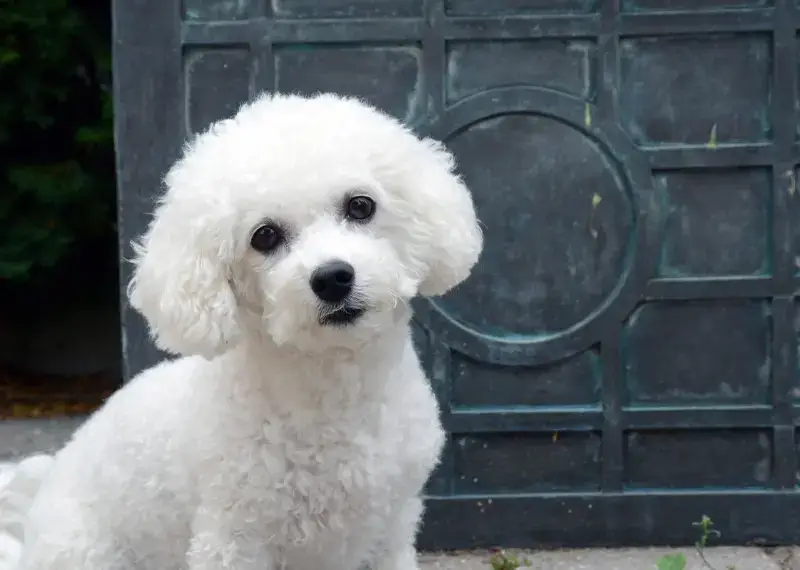
The Bichon Frise looks like a walking cotton ball and has a personality to match its adorable appearance. These delightful dogs weigh between 10-20 pounds and sport a distinctive curly, dense coat that acts like a natural air filter. Their unique double coat traps dander and loose hair, preventing allergens from spreading throughout your home.
What makes Bichons truly special is their incredibly cheerful disposition. They’re naturally playful and affectionate, making them excellent family pets. These dogs adapt wonderfully to apartment living and don’t require extensive exercise, though they do enjoy daily walks and playtime. However, their beautiful coat comes with responsibility – regular professional grooming every 4-6 weeks is essential to maintain their hypoallergenic qualities.
Bichons are also known for their intelligence and eagerness to please, making them relatively easy to train. They live an average of 12-15 years, giving you plenty of time to build a strong bond with your fluffy companion.
2. Maltese: Elegance in a Small Package

The Maltese is pure elegance wrapped in a tiny 4-7 pound package. Their stunning silky white coat is actually a single layer of hair that sheds minimally, making them one of the best choices for severe allergy sufferers. This ancient breed has been charming humans for over 2,000 years, and it’s easy to see why.
Despite their small size, Maltese dogs have huge personalities. They’re gentle yet spirited, loyal yet independent. These little aristocrats form strong bonds with their families and are known for their devotion and affectionate nature. Their compact size makes them perfect for small living spaces, but don’t let their delicate appearance fool you – they’re surprisingly sturdy and adaptable.
The Maltese coat requires regular grooming to prevent matting and maintain its hypoallergenic properties. Many owners keep their Maltese in a shorter “puppy cut” for easier maintenance. With proper care, these elegant companions typically live 12-15 years, providing years of loving companionship.
3. Affenpinscher: The Monkey-Faced Charmer
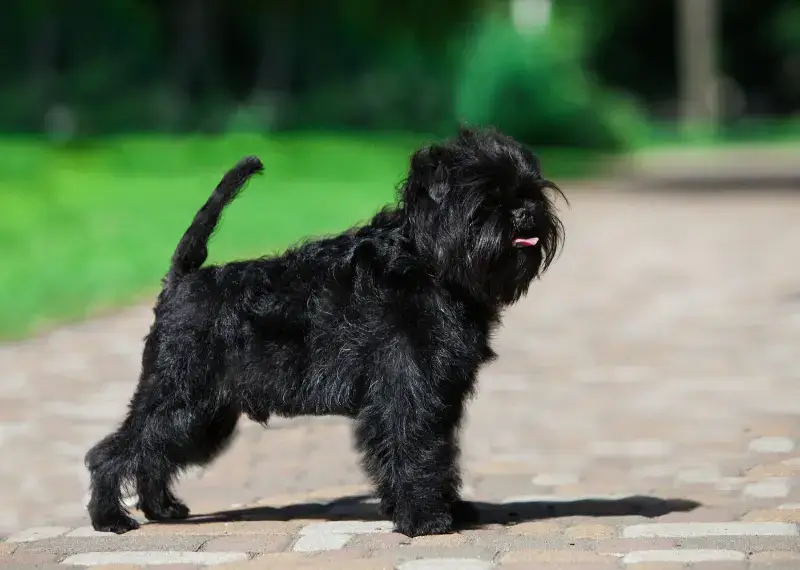
Don’t let the Affenpinscher’s amusing monkey-like face fool you – this small dog packs a big personality into their 7-10 pound frame. Their wiry, dense coat is naturally low-shedding and grows slowly, providing extended relief periods for allergy sufferers. The unique texture of their coat effectively traps dander and loose hair.
Affenpinschers are incredibly intelligent and playful, often described as having a mischievous sense of humor. They’re confident little dogs who don’t seem to realize their small size. Originally bred to catch rats in German stables, they retain their fearless attitude and make excellent watchdogs despite their tiny stature.
One of the best things about Affenpinschers is their relatively low-maintenance grooming needs compared to other hypoallergenic breeds. Their coat naturally stays neat with weekly brushing and occasional trimming. These spirited companions typically live 12-14 years and bring endless entertainment to their families.
4. Chinese Crested: The Ultimate Allergy Solution

The Chinese Crested offers the most allergy-friendly option available, especially in the hairless variety. These unique dogs weigh 8-12 pounds and come in two types: hairless and powder-puff. The hairless variety produces virtually no allergens from its coat, making it ideal for people with severe allergies.
Both varieties are incredibly affectionate and bond closely with their families. Chinese Cresteds are known for being alert, agile, and surprisingly good watchdogs. They’re naturally warm and loving, often seeking out cozy spots and human contact. Their friendly, outgoing nature makes them excellent therapy dogs and companions for people of all ages.
The hairless variety requires special skin care, including sunscreen and moisturizing, while the powder-puff variety needs regular grooming. Despite these unique care requirements, Chinese Cresteds are relatively easy to maintain and live an average of 13-15 years, often becoming deeply attached family members.
5. Coton de Tulear: The Cotton Ball Companion
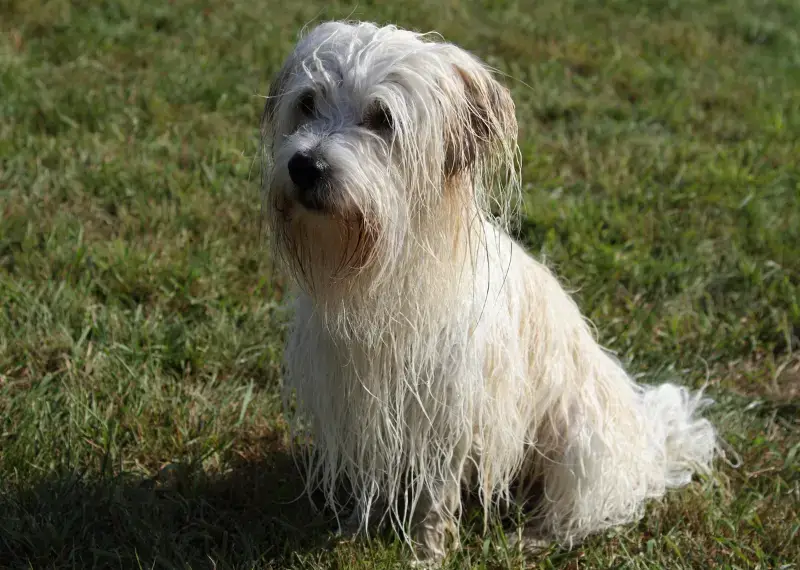
The Coton de Tulear, weighing 8-15 pounds, truly lives up to its name with a coat that feels like cotton. Their soft, fluffy fur sheds minimally and has a unique texture that doesn’t mat easily, making them both hypoallergenic and relatively low-maintenance. This breed originated in Madagascar and was once reserved for royalty.
These gentle souls are known for their exceptionally sweet temperament and adaptability. Cotons are naturally calm and patient, making them excellent with children and other pets. They’re content with moderate exercise and adapt well to their family’s lifestyle, whether you’re active hikers or prefer quiet evenings at home.
The Coton’s coat requires regular brushing but is more forgiving than many other hypoallergenic breeds. They’re naturally clean dogs who enjoy grooming time. With an impressive lifespan of 14-16 years, Cotons often become integral family members who grow old gracefully alongside their human companions.
Nutrition and Health: Keeping Your Hypoallergenic Dog Happy
Proper nutrition plays a crucial role in maintaining your dog’s hypoallergenic qualities and overall health. Many small hypoallergenic dogs benefit from specialized diets that avoid common allergens such as beef, dairy, wheat, and soy. These ingredients can trigger food allergies that manifest as skin irritation, excessive scratching, and increased dander production.
High-quality hypoallergenic dog foods typically feature alternative protein sources like duck, rabbit, salmon, or limited ingredient formulas with novel proteins. These foods are combined with easily digestible carbohydrates such as sweet potatoes, peas, or rice. The benefits of proper nutrition extend far beyond allergy management – you’ll notice improved skin and coat health, better digestion, enhanced immune function, and reduced risk of ear infections.
However, it’s essential to work with your veterinarian when making dietary changes. Sudden switches or inappropriate restrictions can lead to nutritional deficiencies. Your vet can help you choose the right food and monitor your dog’s response to ensure they’re receiving balanced nutrition while maintaining their hypoallergenic benefits.
Grooming: The Key to Allergen Control
Regular grooming is absolutely critical for maintaining your hypoallergenic dog’s allergen-reducing qualities. Even the most naturally low-shedding breeds require consistent care to keep dander and loose hair under control. Most small hypoallergenic breeds need professional grooming every 4-8 weeks, depending on their coat type and growth rate.
Between professional sessions, daily brushing helps remove loose hair and distribute natural oils throughout the coat. This simple routine prevents matting, reduces dander buildup, and keeps allergens trapped in the coat rather than floating around your home. Regular baths with hypoallergenic shampoos can further reduce allergen levels.
Don’t forget about other grooming essentials like nail trimming, ear cleaning, and dental care. Clean ears are less likely to harbor bacteria that can cause infections, while good dental hygiene reduces bacteria in the mouth that can contribute to allergens in saliva. Establishing a grooming routine early helps your dog become comfortable with handling and makes the process enjoyable for both of you.
Comparison Table: Small Hypoallergenic Dog Breeds at a Glance
Breed | Weight (lbs) | Coat Type | Shedding Level | Grooming Frequency | Temperament | Lifespan (Years) |
Bichon Frise | 10-20 | Curly, dense | low | Every 4-6 weeks | Playful, affectionate | 12-15 |
Maltese | 4-7 | Silky, single layer | Very low | Every 4-6 weeks | Gentle, loyal | 12-15 |
Affenpinscher | 7-10 | Wiry, dense | Very low | Every 6-8 weeks | Playful, intelligent | 12-14 |
Chinese Crested | 8-12 | Hairless/soft | Minimal | Varies by type | Friendly, alert | 13-15 |
Coton de Tulear | 8-15 | Soft, cottony | low | Every 6-8 weeks | Gentle, adaptable | 14-16 |
Living with Small Hypoallergenic Dogs
Bringing a small hypoallergenic dog into your home requires some preparation and ongoing commitment. These dogs thrive in apartments and small spaces, but they still need mental stimulation and regular exercise. Daily walks, interactive toys, and training sessions keep them happy and healthy while strengthening your bond.
Creating an allergen-friendly environment goes beyond choosing the right breed. Regular vacuuming with a HEPA filter, washing your dog’s bedding frequently, and maintaining good air circulation all contribute to reducing allergen levels in your home. Many owners find that air purifiers specifically designed for pet allergens provide additional relief.
Consider your lifestyle when choosing your breed. Some hypoallergenic dogs require more grooming maintenance, while others are more independent. Think about your activity level, living space, and long-term commitment to ensure you choose a companion that fits perfectly into your life.
Conclusion
Small hypoallergenic dogs offer the perfect solution for allergy sufferers who refuse to give up their dream of dog ownership. These remarkable breeds combine all the joy, companionship, and unconditional love of traditional pets with significantly reduced allergen production. From the fluffy Bichon Frise to the elegant Maltese, each breed brings its own special qualities and charm.
Remember that while these breeds are more suitable for allergy sufferers, they still require commitment, proper nutrition, and regular grooming to maintain their hypoallergenic qualities. The investment in time and care is worth it when you consider the years of companionship and happiness these special dogs provide.
Whether you choose the playful Affenpinscher, the unique Chinese Crested, or the gentle Coton de Tulear, you’re not just getting a pet – you’re gaining a family member who will bring joy, comfort, and love into your life without compromising your health and comfort.
Frequently Asked Questions
Are hypoallergenic dogs completely allergen-free?
No dog is 100% allergen-free, but hypoallergenic dogs produce fewer allergens that reduce allergic reactions in sensitive individuals.
Which small hypoallergenic dog is best for apartments?
Bichon Frise and Maltese are excellent for apartments due to their small size and moderate exercise needs.
Do hypoallergenic dogs require special grooming?
Yes, most hypoallergenic dogs need regular grooming to reduce dander and maintain their coat, which helps minimize allergens.
Can hypoallergenic dogs eat normal dog food?
Dogs with food allergies should ideally eat hypoallergenic diets prescribed or recommended by veterinarians to avoid triggering reactions.